
The Transformative Joy of Playing Ergonomic Parlor Guitars for Musicians
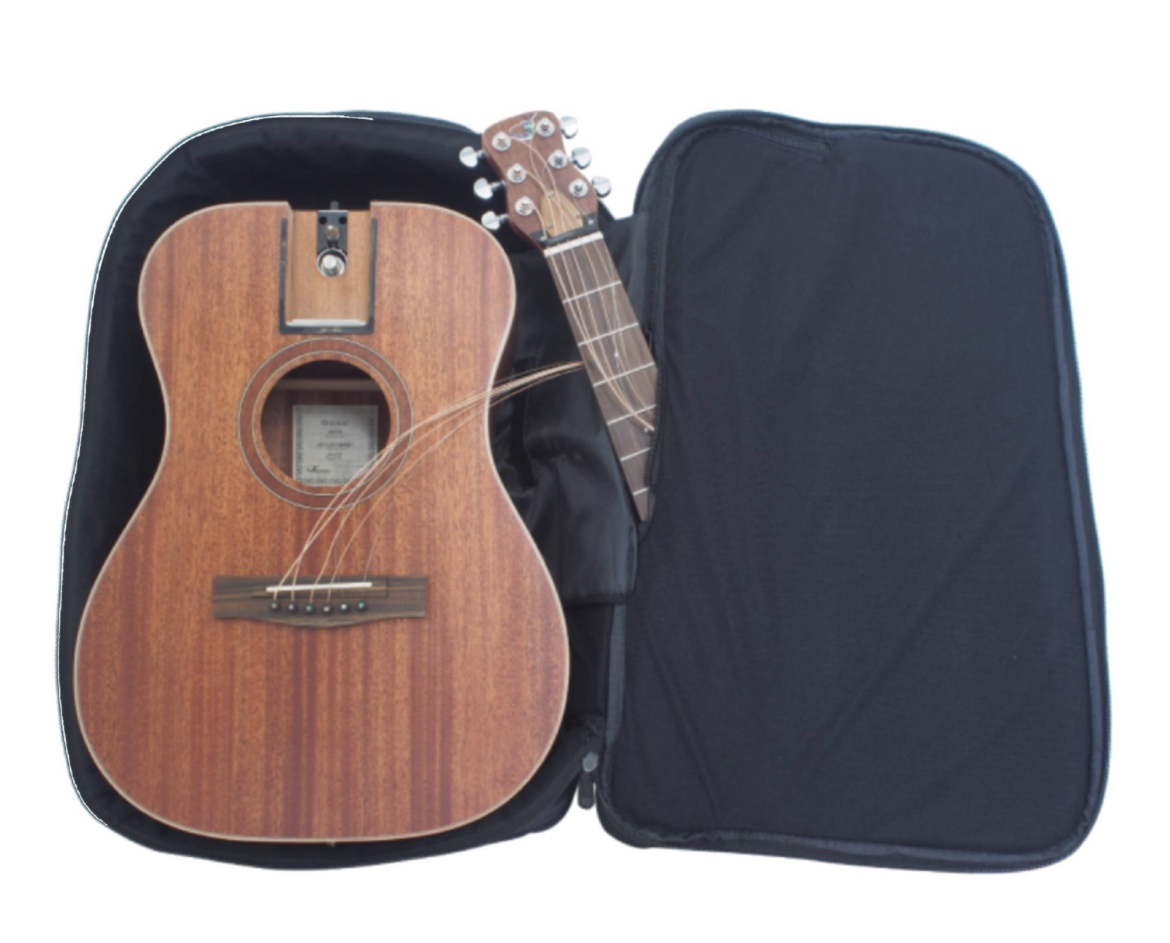
Playing guitar should be a source of joy, not discomfort. Yet many guitarists struggle with aches and fatigue caused by traditional guitar shapes, especially the popular dreadnought style. The good news is that ergonomic parlor guitars, like those in the Comfort range from Journey instruments, offer a new way to experience music. These guitars combine thoughtful design with playability, making long sessions more enjoyable and less tiring.

Why Comfort Matters for Guitarists
Musicians often spend hours practicing or performing. A guitar that causes strain can limit creativity and even lead to injury. Traditional dreadnought guitars, while known for their powerful sound, have bulky bodies that can dig into the player’s ribs or arms. This discomfort can distract from the music and shorten playing time.
Comfort guitars from Journey instruments address these issues with two key features:
Wedge-shaped body: This design tapers the guitar’s thickness from the back to the front, reducing bulk where the guitar rests against the player’s body.
Over-arm bevel: A smooth contour along the top edge where the arm rests, preventing sharp pressure points.
These features work together to create a guitar that feels lighter and fits the body more naturally. Players report less fatigue and more freedom to focus on their music.
How Ergonomic Design Enhances the Playing Experience
The ergonomic design of Comfort guitars changes how musicians interact with their instrument. Here are some specific benefits:
Improved posture: The wedge shape encourages a more natural arm and wrist position, reducing tension in the shoulders and back.
Longer playing sessions: Less discomfort means players can practice or perform for extended periods without pain.
Better control and precision: With less strain, fingers move more freely, improving technique and expression.
Versatility for different playing styles: Whether fingerpicking or strumming, the Comfort guitar adapts to the player’s needs.
For example, a solo performer who often plays seated will notice how the over-arm bevel prevents the guitar from digging into their forearm. This small change can make a big difference during long gigs or recording sessions.

Practical Tips for Choosing and Using an Ergonomic Guitar
If you’re considering a Comfort guitar or any ergonomic model, keep these tips in mind:
Try before you buy: Play different models to feel how the wedge shape and bevel affect your comfort.
Consider your playing style: If you perform standing, check how the guitar balances with a strap. If seated, notice how it rests on your leg.
Adjust your setup: Use a comfortable strap and consider a footstool or guitar support to maintain good posture.
Take breaks: Even with ergonomic design, regular breaks help prevent strain.
Maintain your guitar: Keep the instrument in good condition to ensure smooth playability and sound.


Comments